
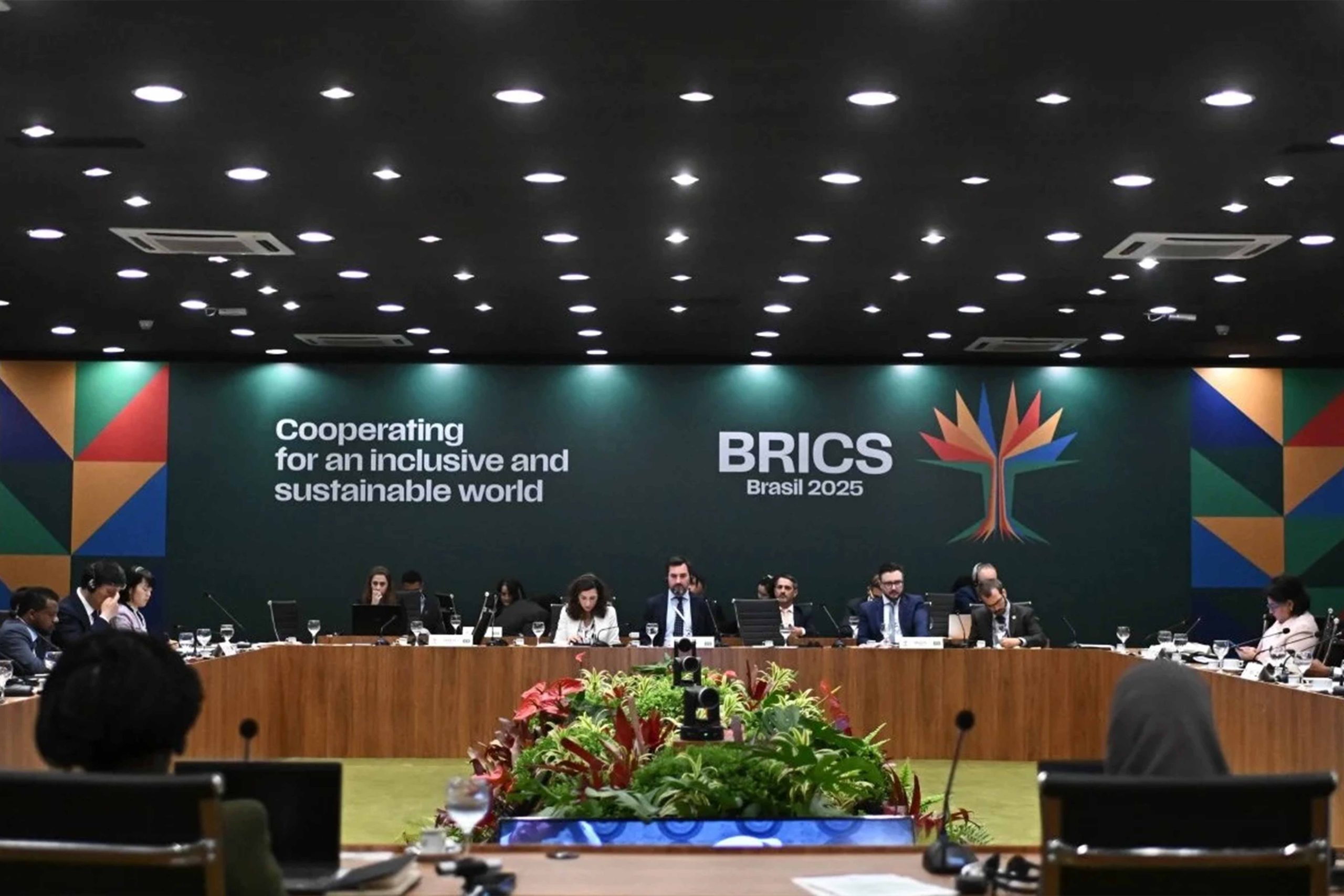
BRICS Expansion and Investment Implications for Russia
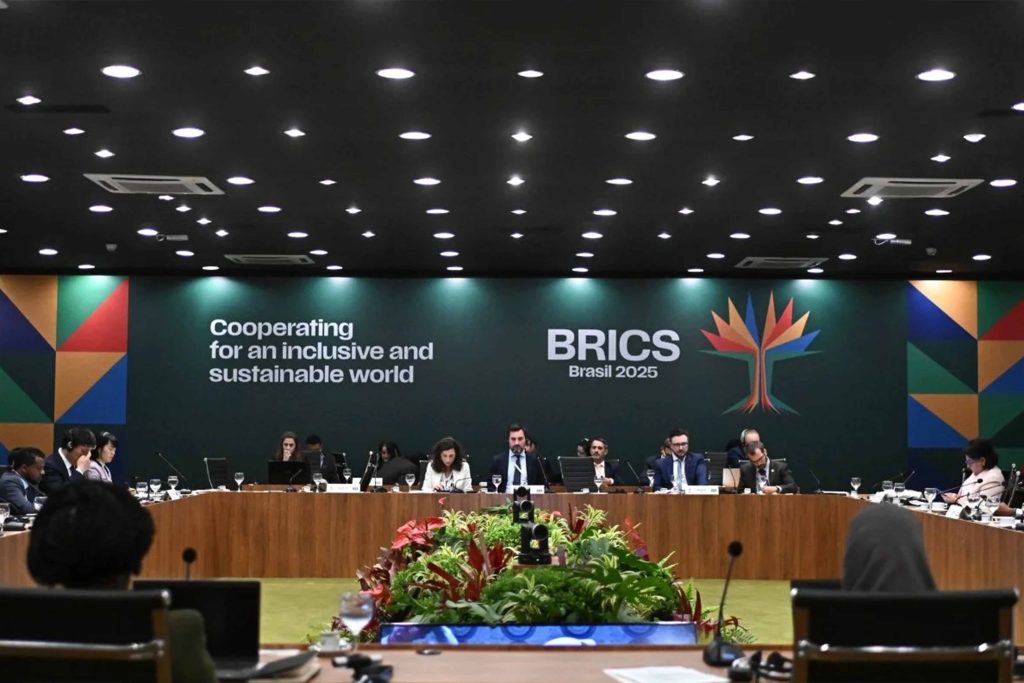
For international investors operating in Russia, understanding major economic alliances is essential. One such alliance is BRICS, a coalition of influential emerging economies that continues to shape financial and geopolitical developments across multiple regions.
Originally formed by Brazil, Russia, India, and China, with South Africa joining in 2010, BRICS has recently expanded its membership, increasing its strategic and economic significance. This expansion introduces important considerations for investors, particularly in cross-border finance, infrastructure development, and alternative payment systems. A clear understanding of BRICS’ structure, objectives, and initiatives enables informed decision-making in today’s international context.
What Is BRICS?
BRICS is an intergovernmental organization of major emerging economies: Brazil, Russia, India, China, and South Africa. Its origins trace back to 2001, when economist Jim O’Neill first coined the acronym “BRIC.” South Africa joined in 2010, creating the present-day BRICS format.
The organization’s primary aim is to stimulate economic cooperation, support sustainable development, and provide a platform for dialogue among member states. Over time, BRICS has evolved into a more inclusive and influential bloc, reflecting broader shifts in the global economic order.
Key Milestones
BRICS’ development has been marked by several important events:
- 2009: First BRIC summit held in Yekaterinburg, Russia.
- 2010: South Africa joins, forming BRICS.
- 2014: Establishment of the New Development Bank (NDB) and the Contingent Reserve Arrangement (CRA), providing alternatives to Western-led financial institutions.
- 2023–2025: Expansion to include Egypt, Ethiopia, Iran, the UAE, and Indonesia, bringing total membership to ten countries.
Expanded Membership and Strategic Significance
As of 2025, BRICS comprises:
- Brazil, Russia, India, China, South Africa
- Egypt, Ethiopia, Iran, United Arab Emirates, Indonesia
This expansion consolidates BRICS as a powerful economic bloc, representing over 45% of the world’s population and approximately 36% of global GDP. For foreign investors in Russia, BRICS’ enhanced cooperation offers new opportunities while introducing regulatory and economic considerations that require careful planning.
Principal Initiatives
BRICS has launched several initiatives to support its long-term vision of financial autonomy and strengthened South-South cooperation:
- New Development Bank (NDB): Provides loans for infrastructure and sustainable development projects in local currencies, reducing reliance on Western financial institutions and mitigating foreign exchange risk.
- Contingent Reserve Arrangement (CRA): Offers liquidity support to members during economic stress, promoting macroeconomic stability across the bloc.
- BRICS Pay: A decentralized cross-border payment system launched in 2018, facilitating transactions in local currencies and advancing monetary independence from the U.S. dollar.
Challenges and Opportunities
The future impact of BRICS will depend on several factors:
- Internal Cohesion: Maintaining alignment among members with diverse political systems and economic interests.
- Global Influence: Offering credible alternatives to traditional institutions, such as the IMF and World Bank.
- Further Expansion: Potential growth as countries such as Turkey, Algeria, and Nigeria express interest in joining, which may diversify and strengthen the bloc.
Conclusion
The expansion and institutional development of BRICS signal a significant shift in global economic governance. For foreign investors operating in Russia, these developments create both opportunities and considerations that must be carefully evaluated. A thorough understanding of BRICS’ structure, initiatives, and objectives is essential for making strategic investment decisions in the region.
Our legal team advises international investors on regulatory, compliance, and strategic matters arising from Russia’s participation in BRICS.